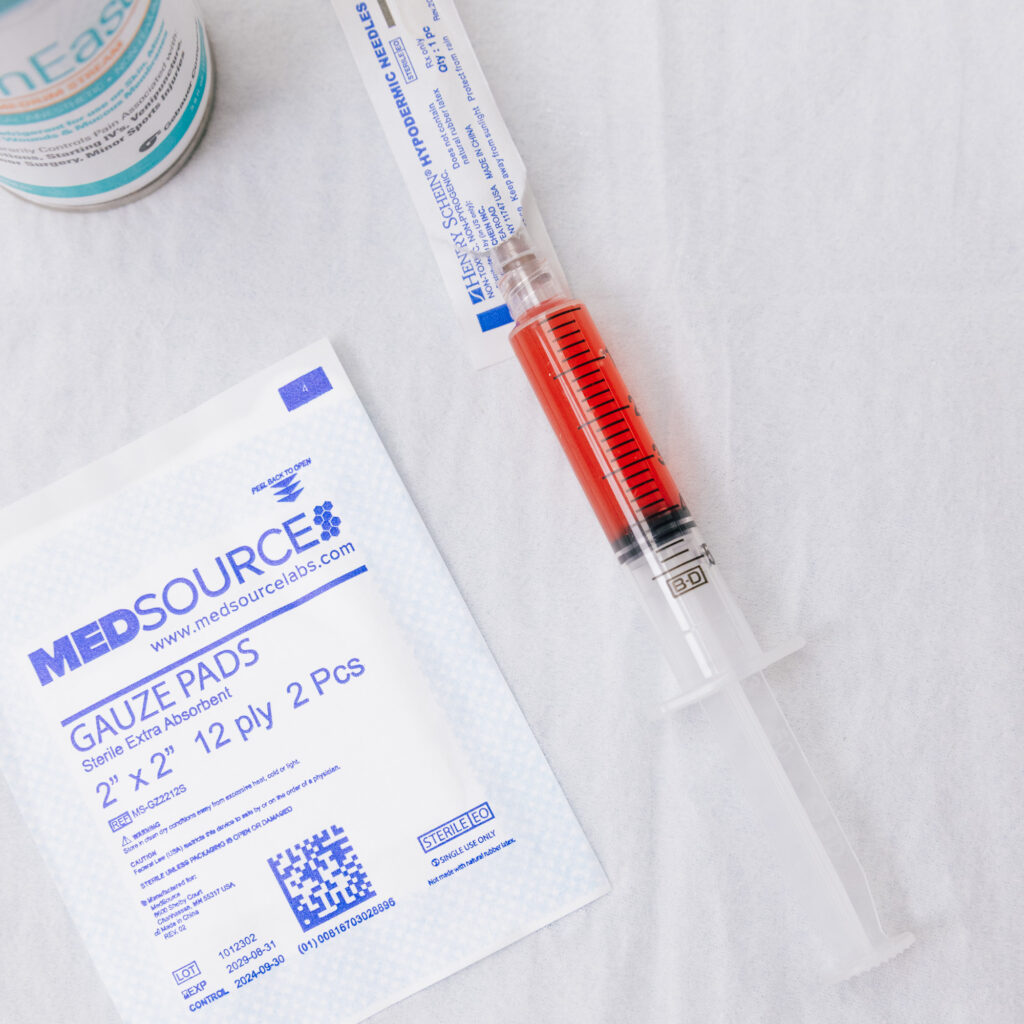
Understanding How GLP-1 Medications Support Progress
Semaglutide and tirzepatide influence hormonal pathways involved in hunger, fullness, digestion, and glucose regulation. Semaglutide activates glucagon-like peptide-1, or GLP-1, receptors. Tirzepatide activates both GLP-1 and glucose-dependent insulinotropic polypeptide, or GIP, receptors. By supporting earlier satiety and reducing persistent hunger, these medications can make consistent nutrition choices more manageable.
Medication does not replace your efforts, though. It can reduce some of the biological resistance that makes weight loss difficult. We pair treatment with practical nutrition, movement, and lifestyle recommendations that support long-term health.
Selecting Treatment Through Medical Evaluation
Semaglutide and tirzepatide do not work exactly the same way, and neither medication suits every patient. Our providers review your medical history, current medications, previous weight loss attempts, metabolic concerns, and treatment preferences before recommending an option. We also consider how your body tolerates the treatment and how well the medication supports your goals.
Often, we start with a lower dose and increase it gradually. This gives your body time to adjust and helps your provider evaluate tolerability and make further recommendations.
Prioritizing Safety Through Ongoing Medical Supervision
Medical weight loss requires more than administering semaglutide or tirzepatide. When you receive medical weight loss in Mishawaka, our team reviews any side effects, evaluates changes in appetite and energy, and adjusts your plan when needed. We may also recommend lab testing when your history, symptoms, or medications call for a closer look.
Dr. Taryn Fernandes brings internal medicine training and nearly a decade of diverse medical experience to BioSculpt’s weight loss programs. Her medical perspective helps our team look beyond pounds lost. We consider blood sugar regulation, cardiovascular risk factors, gastrointestinal symptoms, hydration, nutrition, muscle preservation, and other factors that influence safe, sustainable progress.
GLP-1–based medications can cause side effects, including nausea, vomiting, diarrhea, or constipation. They also carry important contraindications and warnings. We review relevant risks before treatment and explain which symptoms require a call to our office or prompt medical attention.
Setting Expectations Around Your Results
No responsible provider can promise a specific number of pounds lost or an exact timeline. Some patients notice changes in hunger and portion size before significant changes on the scale. Others need time to reach a therapeutic dose that produces a meaningful response. Starting weight, metabolic health, medication tolerance, nutrition, activity, sleep, and consistency can all affect patient progress.
We track more than body weight. Waist measurements, body composition, energy, mobility, cravings, and confidence can provide a more complete view of your response. If progress slows, we reassess the plan rather than treating a plateau as failure.
Incorporating Medication Into a Broader Health Plan
Medication works best as one component of comprehensive care. Our weight loss program adds structured support for nutrition, movement, and accountability, while our GLP-1 treatments provide more information about injectable options.
When your symptoms suggest that hormonal changes may be affecting your weight, we can also explore hormones for weight loss and determine whether a hormone evaluation or hormone replacement therapy deserves consideration.
Our goal for your medical weight loss in Mishawaka goes beyond short-term reduction. We help you understand how your body responds, how to protect your health, and how to develop a plan you can sustain. With experienced medical guidance and consistent follow-up, you can pursue progress with greater clarity, confidence, and control.