How Tissue Response Drives Chronic Pain
Chronic pain usually starts when specific joints or tissues stop carrying weight well. A joint gets loose. A tendon takes more force than it should. Before long, ordinary movement keeps the area irritated. Instead of isolating pain as a symptom, we focus treatment on how the area as a whole behaves.
Improving tissue response allows the body to distribute stress more evenly. When this happens, surrounding structures do not have to compensate for weakness or instability. This reduces the likelihood of irritation during activity and helps restore more consistent movement patterns.
This approach addresses how the body functions under strain rather than focusing only on discomfort.
Precision Improves Treatment Consistency
Pain doesn’t always originate where it’s felt. A joint issue may create strain in surrounding muscles or tendon irritation can develop due to altered movement patterns. Identifying the correct structure is critical to effective treatment.
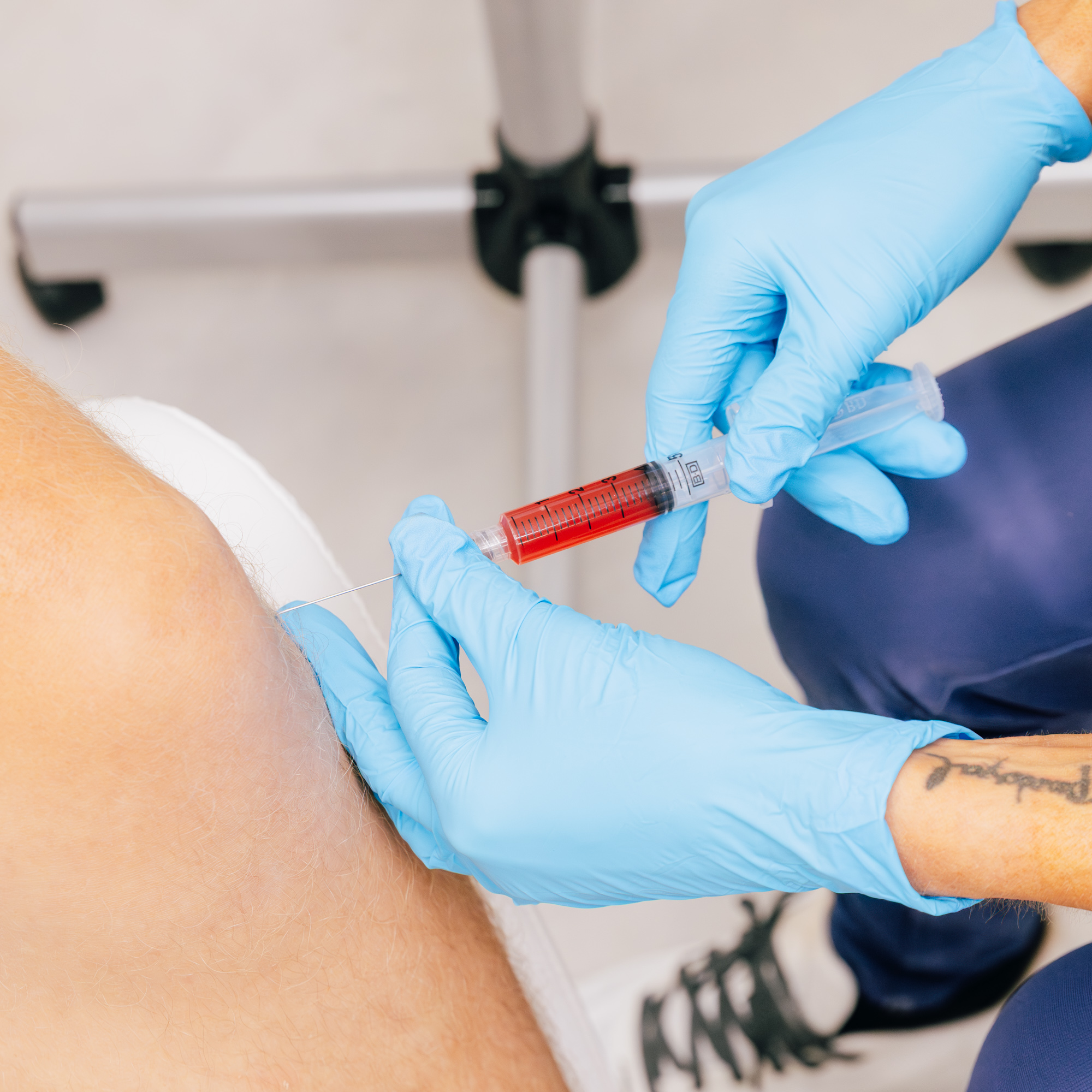
For chronic pain treatments, we evaluate how movements break down and where stress accumulates. This includes observing joint stability, load distribution, and how surrounding tissue responds during activity. Once we find the source, we can administer treatment directly into that area.
This targeted method reduces unnecessary impact on surrounding joints, muscles, tendons, and tissues. It’s the underlying principle of our regenerative injection therapy, where placement directly affects how tissues respond to treatment.
Patients exploring pain management in Mishawaka often choose this approach because it allows for more precise intervention without relying on generalized care.
Conditions That Respond to Regenerative Care
Regenerative treatments support conditions tied to stress, movement, and tissue performance. These often develop gradually as the body adapts to repeated demand.
Common conditions include:
- Degenerative joint changes that affect stability
- Chronic tendon irritation from overuse
- Ligament strain that reduces joint control
- Repetitive stress injuries that limit mobility
- Inflammation that interferes with movement efficiency
As tissue becomes less efficient, surrounding structures compensate, which can reinforce irritation.
Patients receiving arthritis treatment often notice improved control and reduced sensitivity when returning to their active lifestyles.
What Patients Can Expect from Treatment
Most regenerative treatments require minimal disruption to daily activity. Patients typically return to normal routines shortly after treatment, with minor adjustments based on the area addressed.
As the body begins to function more efficiently, movements often become more controlled. This can improve how the body handles stress during different activities and reduce irritation tied to repeated motion.
Treatment plans are not static. Our providers adjust placement, timing, and approach based on how your body responds. This allows care to remain aligned with real-world demands rather than following a fixed schedule.
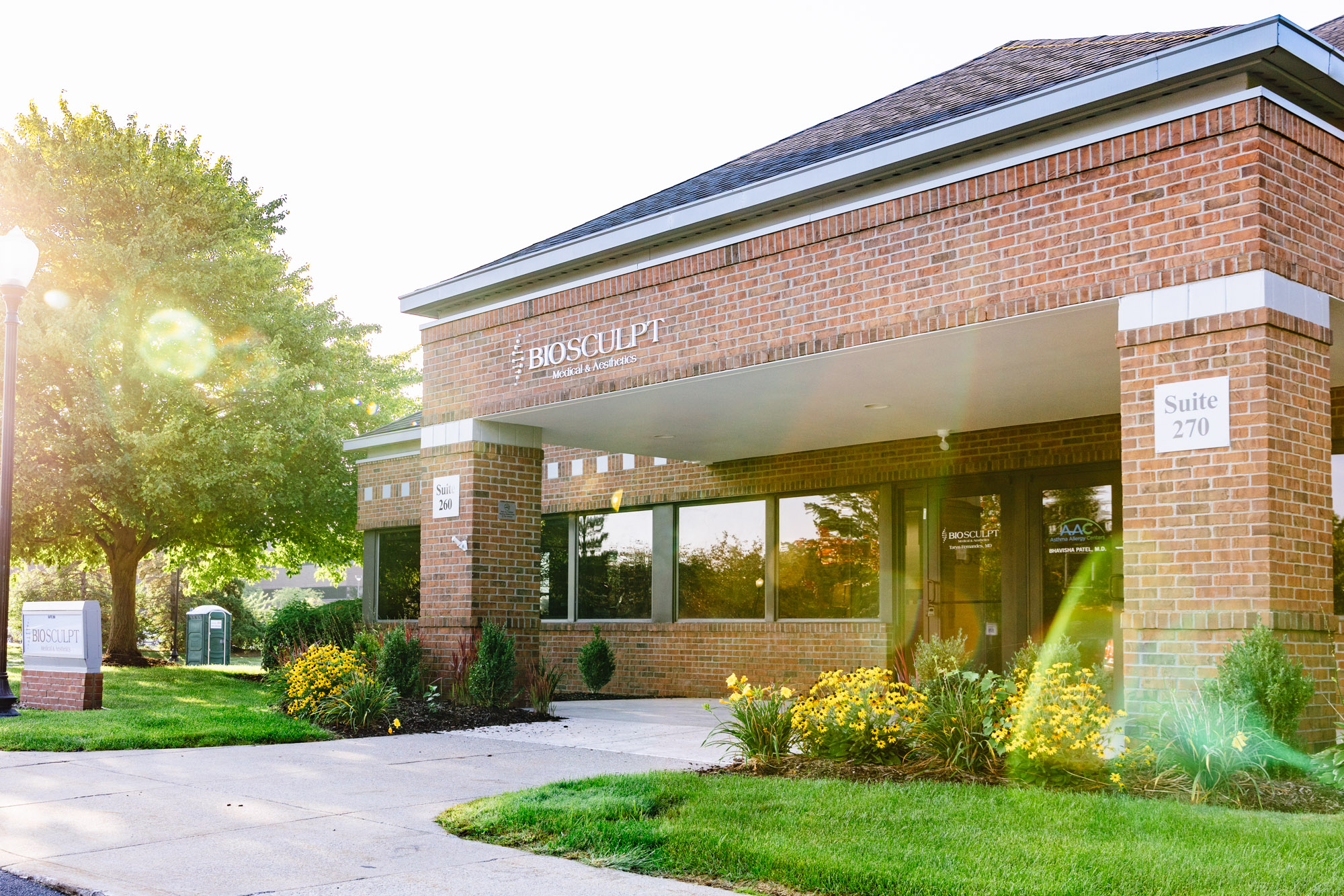
At Biosculpt Medical & Aesthetics, our options for pain management in Mishawaka support progress without interrupting your routine or limiting activity.
How Treatment Plans Adapt to Patients
No two patients respond to treatment in the same way. Even when conditions appear similar, differences in tissue quality, movement patterns, and load distribution influence how the body adapts. Because of this, treatment plans must remain flexible rather than fixed.
Dr. Taryn Fernandes leads pain care at Biosculpt. Her internal medicine training means your evaluation accounts for inflammatory conditions, medications, and metabolic factors, not just the joint itself.
Dr. Fernandes and our team monitor how the treated area responds when you’re active. If your movements improve and irritation decreases, we can shift toward alternate therapies. In more complex cases, we may need to add treatments to your plan to reinforce the tissue response.
This adaptive approach allows care to stay aligned with how your body performs in everyday life. Patients pursuing pain management in Mishawaka often benefit from this flexibility because it supports steady progress without them having to rely on a rigid treatment schedule.